

A Hidden Mineral Cycle Inside American Toilets Is Making the Same Brown Ring Come Back After Every Flush And the European Water-Treatment Method That Finally Explains Why Scrubbing the Bowl Never Seems to Solve It



Millions of homeowners across America are dealing with the same problem:
Their toilet looks dirty within days of being cleaned.
That brown ring sits at the waterline, no matter how hard the brush hits it.
Some even see orange or rust-colored streaks running down toward the drain.
Even bathrooms that were scrubbed top to bottom over the weekend look neglected by Wednesday.


For someone who takes pride in a clean home, it’s embarrassing to say the least...
Because a toilet that was just cleaned is not supposed to look dirty.
But no matter how many times you scrub the bowl, the ring keeps coming back.
And for decades, everyone pointed fingers at the usual suspects.
Some blamed poor scrubbing...
Others blamed an aging toilet...
Many blamed weak cleaner.
But behind the scenes, researchers were uncovering something far bigger.
They found that the ring was not actually coming from the bowl itself.
It was coming from the water flowing into the bowl, in a way most homeowners have never been told about.


After reviewing U.S. Geological Survey data, municipal water reports, public-infrastructure studies, and decades of European water-authority research, one conclusion stood out:


American tap water is depositing minerals onto your toilet faster than any brush can remove them.

They survive every flush.
They feed on the rough microscopic grooves left behind by scrubbing.
They bond to your porcelain almost every time the tank refills.
European water authorities documented the same pattern decades ago inside their public water-supply systems.
In cities like Amsterdam and Rotterdam, recycled and refilled water lines created the perfect environment for calcium and magnesium to settle, harden, and form layers on every surface they touched.
The deposits clung to pipe walls, formed stubborn scale, and clogged municipal infrastructure.
Inside the public water supply, this mineral buildup became so persistent that it threatened the entire system.


And traditional scrubbing simply could not reach the deposits before they reformed.
The findings European engineers published in the 1980s now explain exactly what is happening inside the average American toilet bowl today.


Because if your toilet bowl keeps developing a brown ring at the waterline...
If orange or rust-colored streaks keep returning after every scrub...
Or if the bowl looks dirty within days of a deep clean...
You are likely dealing with the same hidden mineral cycle European engineers have been studying for years.
Water specialists classify this as a mineral-deposit issue, not a cleaning one.

And European water-authority research became the first clue in understanding why.
But before we get to the European breakthrough that changed everything, you need to see what is actually happening inside the toilet sitting in your bathroom.
Because once you understand how this mineral cycle forms, the brown ring finally makes sense.

And you realize why your toilet cannot keep itself clean.
For generations, people assumed a flushing toilet was self-rinsing.
Drop in a tablet.
Push the handle.
And let the flush rinse itself out.
But the water flowing into American homes today is not the water from 30 years ago.
An estimated 85% of U.S. households now run on hard water, and modern low-flow toilets recycle that water through the same porcelain again and again with each flush.

To meet federal water-efficiency rules, manufacturers began designing bowls that use far less water per flush than the toilets of the past.
Which means the same minerals get cycled across the same porcelain surface again and again, instead of being diluted and rinsed away.
Over time, it creates a buildup loop that acts less like a flushing fixture... and more like a continuous mineral deposit machine.
So every flush contributes something new.
More calcium settles into the microscopic grooves of the porcelain.
More magnesium bonds to the spots where water sits longest at the waterline.
And piece by piece, this becomes a stable, visible ring.


This mineral cycle reloads the ring every time the tank refills.
Which is why the ring is so stubborn.
And until that cycle is broken, the ring always returns — no matter how many times you scrub the bowl.
This leads to the question almost every homeowner eventually asks:
If the problem is the water, why doesn't cleaning the toilet fix it?


The answer is simple:
Because most of the "fixes" we were taught only attack the surface, things like:
- Bleach or CLR
- Vinegar or pumice
- Blue tablets, scrubbing
And all of it feels helpful, because the bowl does look cleaner for a day or two.


But none of it reaches the real source of the ring.
The porcelain surface of a toilet is not as smooth as it looks — under magnification, it is a landscape of pores and micro-grooves most homeowners never see.
One where mineral-loaded water sits longest at the waterline, depositing fresh calcium and magnesium with every refill.
Where each pass of a pumice or stiff brush leaves more grooves... which give the next round of minerals more surface to bond to.


And none of this responds to the usual at-home remedies.
But it wasn't until water engineers compared American toilet bowls to municipal pipe systems that the pattern became impossible to ignore.
In both environments, the same mineral-rich water moves through the same surface again and again.
Calcium and magnesium settle into the spots water lingers longest.
And residue begins forming layers in the places brushes and chemicals rarely reach.
European water authorities documented the same behavior decades earlier inside their public water-supply pipes.


The mineral deposits inside those public pipes did not behave like normal grime.
They formed stubborn crystalline layers.
They bonded with iron, calcium, magnesium, and trace metals.
And over time, they built up into a coating that blocked water flow, heat, and chemical cleaners.
European engineers eventually realized they were not dealing with a surface problem.
They were dealing with a chemistry one.
So their water authorities abandoned brush-based cleaning and adopted a targeted citric chelation method designed to keep the minerals dissolved in the water before they could ever bond.


Continuous Citric Chelation Method
- 1
Food-grade citric acid enters the refill water before minerals settle.
- 2
It binds calcium and magnesium so they stay suspended.
- 3
Held in chelation, minerals cannot bond to porcelain.
- 4
Each refill carries trapped minerals out instead of leaving buildup behind.
Flush by flush, the deposit cycle collapsed.
This breakthrough is what led researchers to understand why the same approach works inside American toilets.
Home toilet bowls were behaving like miniature closed water systems, not self-rinsing fixtures.
And just like the European water authorities discovered...
No amount of bleach, vinegar, pumice, or "deep cleaning" can reach the real source as long as fresh mineral-rich water keeps refilling the tank.


That realization pushed the research toward the same citric chelation strategy European water authorities created when scrubbing failed.
The only remaining question was whether anyone could shrink that approach down to fit inside an ordinary household toilet tank.
A small American brand based in Clovis, New Mexico saw it early, and started adapting the European chelation method long before most homeowners had ever heard of the underlying problem.
Their results quickly became the most talked-about approach in home-care forums for stopping the brown ring most cleaners had failed to keep away.
They created a passive in-tank cartridge formulated to treat the water itself before it ever reaches the porcelain.


And it has been spreading quickly through hard-water households for one reason:
It prevents the ring from forming in the first place, while every traditional method only attacks the ring after it appears.
The cartridge uses the same chelation principle European cities have used to keep limescale out of their public water pipes for decades.
Here is how it works:
Inside each cartridge is a measured dose of food-grade citric acid that releases into the tank every time the water refills.
The cartridge releases a measured citric blend into every refill of tank water.
Citric acid binds calcium and magnesium before they can stick to porcelain.
Plant-derived surfactants spread treated water across the bowl with each flush.
A balancing agent keeps the formula gentle for porcelain, tank parts, and septic systems long-term.
It treats the water before the ring ever has the chance to form.
The cycle that was reloading the stain stops at the source.


Well-water households notice the biggest change because well water carries the heaviest mix of calcium, magnesium, and trace iron — the exact minerals citric chelation was built to neutralize.
It works because it was designed for some of the hardest municipal water systems in the world.


The same chelation chemistry European cities depend on
And now, for the first time, it is being used inside the toilets sitting in American bathrooms.
If you have ever wondered why the bowl looks clean for a day and then slides right back into the same brown ring...
Water specialists believe this may finally be a solution that reaches the real source.
That solution is now being used by over 200,000 American households under a name you may have seen spreading online:
Swoosh 'n Shine,
by TrueClean.

It was created by a small American brand based in Clovis, New Mexico, that had spent years working with home-water products in some of the hardest-water regions in the country.
But as customer complaints kept circling back to the same recurring toilet ring, the team followed the research.
They saw the same pattern European water authorities had documented in the 1980s.
They saw the same conditions inside modern American low-flow toilets.
And they realized no household cleaner had ever been built to treat the water itself, before it deposited a single mineral onto the porcelain.
So they adapted the citric chelation method used in European public water systems and shaped it into a passive in-tank cartridge an ordinary homeowner could install in under a minute.
After months of testing inside hard-water homes from Texas to Arizona to the Midwest, the kit began spreading...


People weren't just seeing improvement.
They were seeing something they had not been able to get from bleach, CLR, vinegar, pumice, or any drop-in tablet.
Brown Waterline Ring
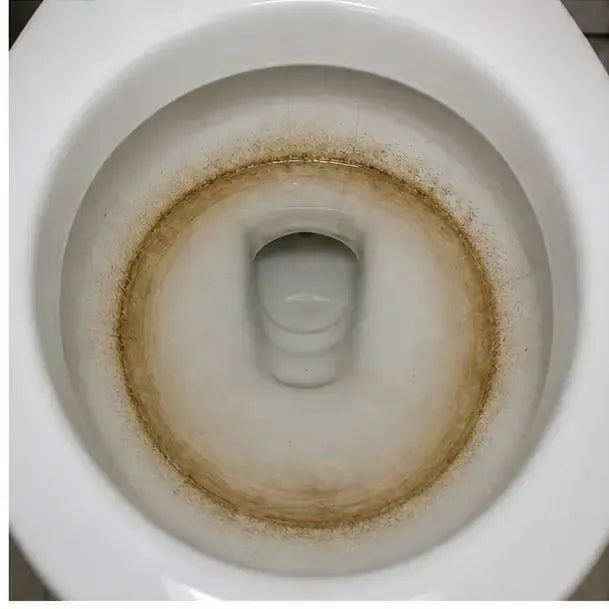
before
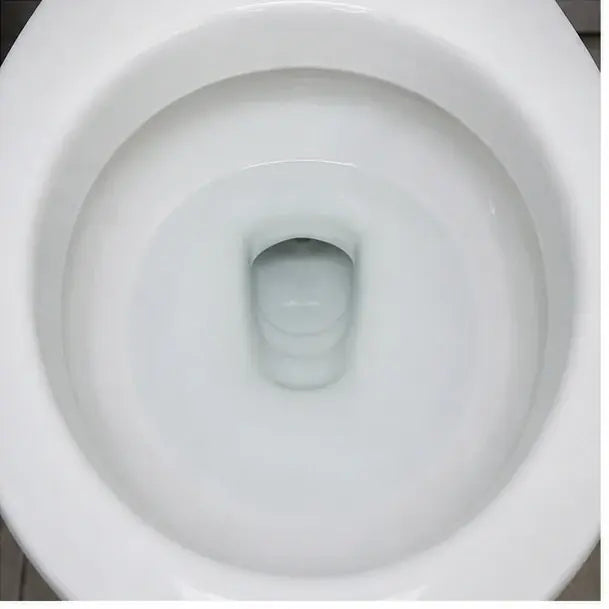
after
Orange Rust Streak
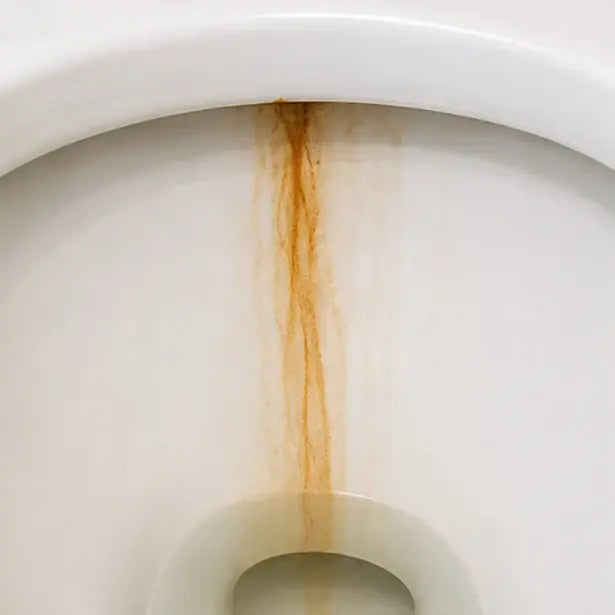
before
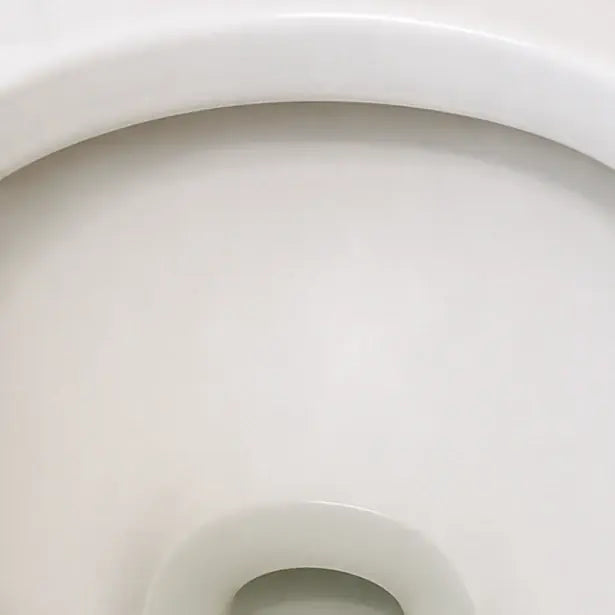
after
Mineral Crust Under the Rim
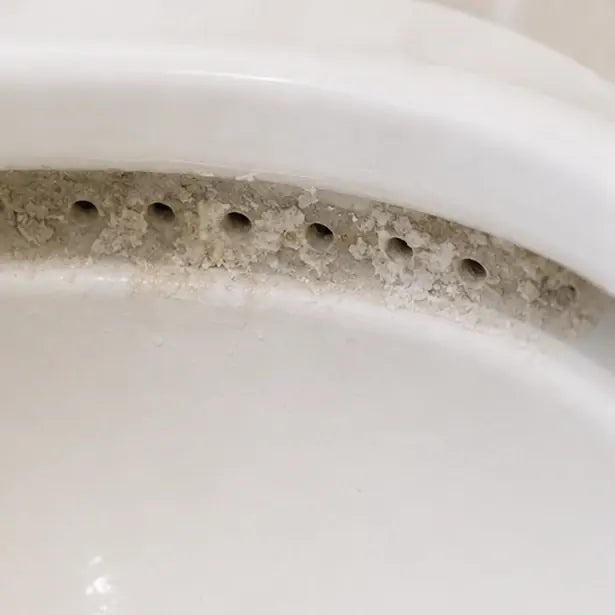
before
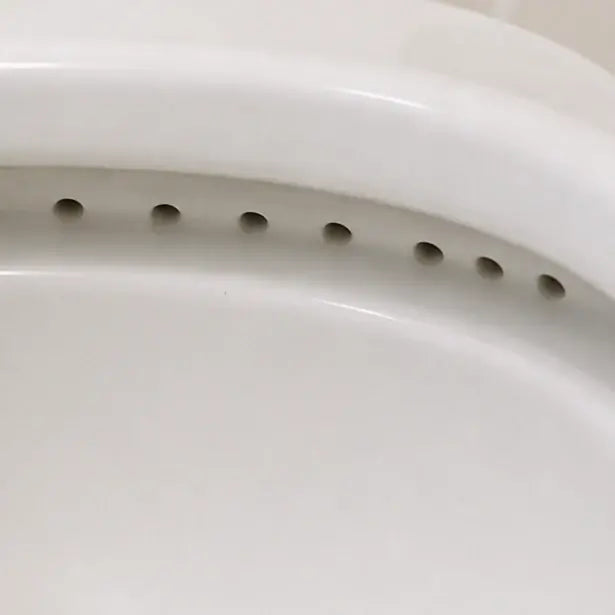
after
Hard-Water Haze
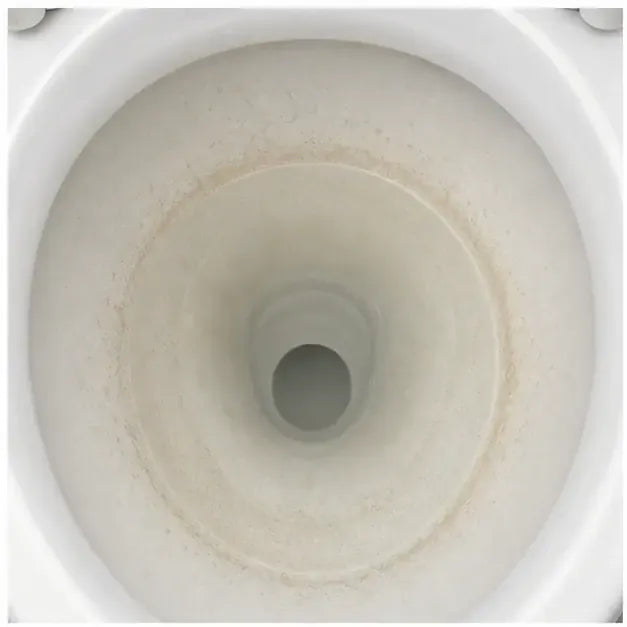
before
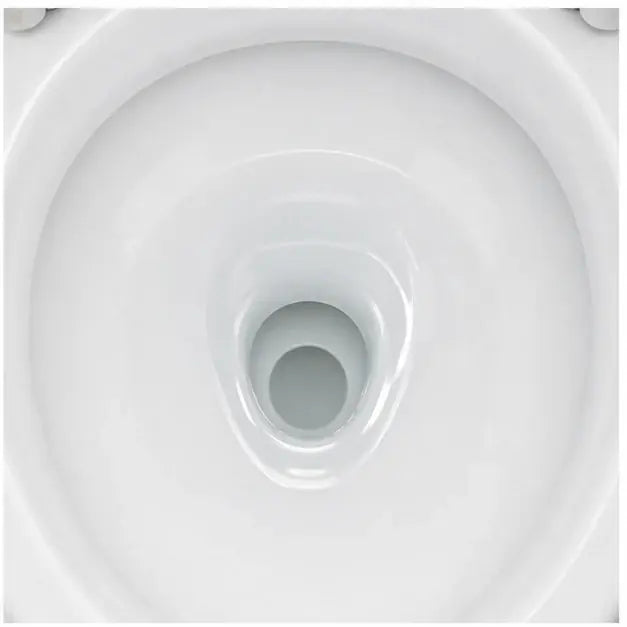
after
If you want to see whether the European chelation method works inside your own toilet, there is only one place to get it;
Swoosh 'n Shine is available exclusively through TrueClean's official site.

And RIGHT NOW, they are offering a limited introductory discount for new customers.
The current offer provides up to 35% off, depending on the kit count you select:
1-kit
for a single bathroom
2-kit
for households with a master and a guest bathroom
4-kit
for hard-water homes or anyone who wants every toilet protected long-term
Experts recommend keeping the cartridge in place full-time to stay ahead of the mineral cycle, rather than waiting for the ring to come back.
Orders are fulfilled from the brand's warehouse in Clovis, New Mexico.
Stock is always running low, especially since hater-water and well water communities have clocked on.
You can check availability and current pricing through the link below.
Click here to see if Swoosh 'n Shine is still in stock